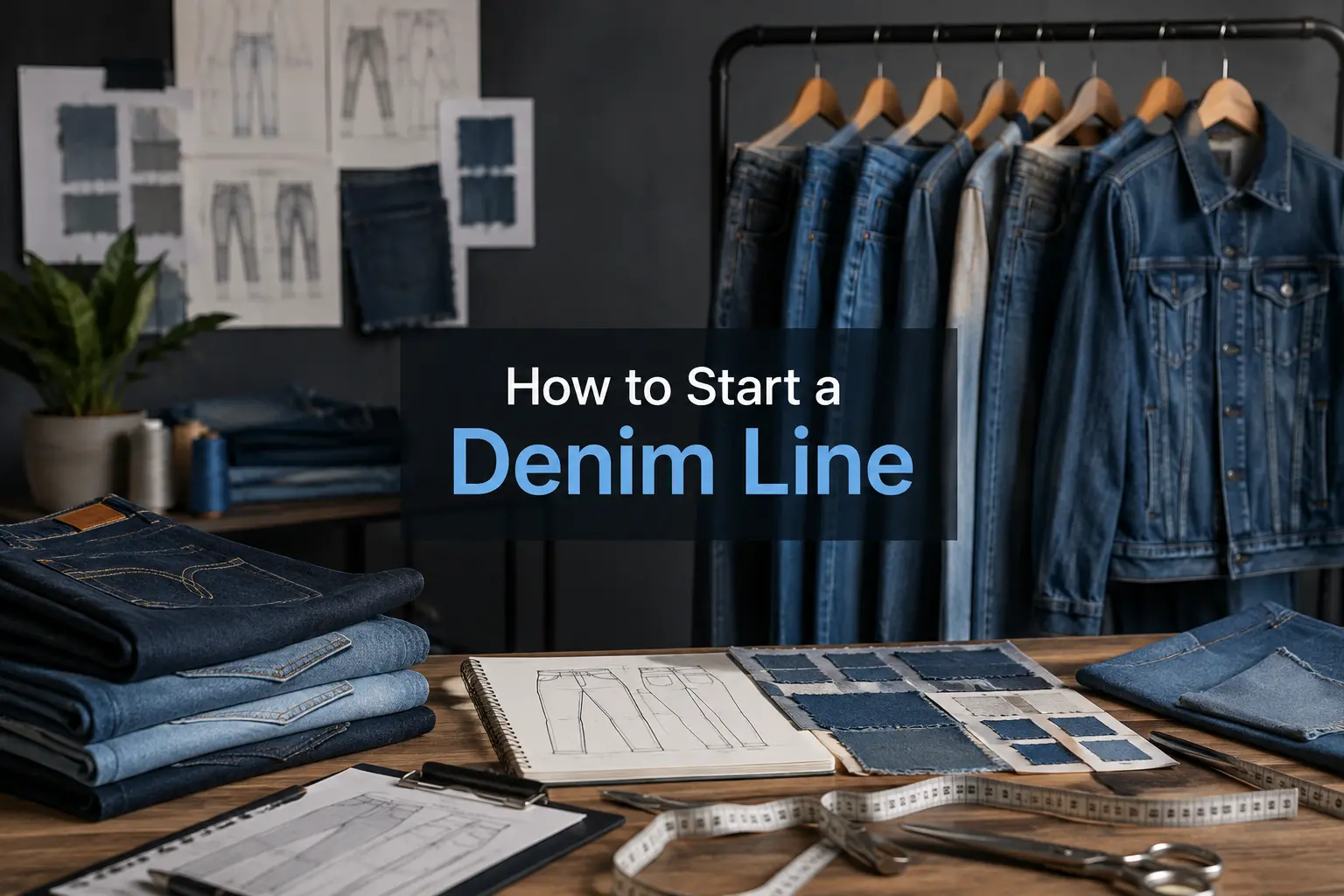
If you want to Start a Denim Line, you need more than a good-looking pair of jeans. A successful denim brand requires a clear concept, reliable manufacturing, the right denim fabric, strong fits, professional branding, quality control, and a marketing strategy that connects with your target customers. Denim is a highly competitive category, but its versatility and long product life make it an attractive opportunity for entrepreneurs who can create distinctive products and a recognizable brand identity.
Table of Contents
Why Start a Denim Line?
Denim remains one of the most recognizable categories in fashion because it works across different age groups, lifestyles, and markets. Jeans can be positioned as affordable everyday clothing, premium workwear, luxury fashion, streetwear, or sustainable apparel.
Starting a focused denim line can also help a new brand build a strong identity around a smaller number of products. Instead of launching dozens of unrelated garments, you can concentrate on signature fits, washes, fabrics, and details that customers associate with your brand.
The U.S. market also has a long history of denim manufacturing and craftsmanship. However, domestic denim production is relatively limited compared with historical levels, so brands need to carefully evaluate whether a supplier actually manufactures in the United States or simply sells products there.
Define Your Denim Brand Concept
Before contacting manufacturers, decide exactly what your denim brand will represent. Your concept should influence everything from fabric selection to packaging.
Consider questions such as:
- Who is your target customer?
- Will your brand focus on men’s, women’s, unisex, or children’s denim?
- Will you sell premium, mid-range, or affordable products?
- Will your main style be classic, streetwear, workwear, vintage, or contemporary?
- Will sustainability be part of your brand identity?
- Will you specialize in raw, selvedge, washed, distressed, or stretch denim?
For example, a streetwear denim brand might focus on baggy jeans, carpenter jeans, cargo denim, oversized denim jackets, and heavy fabrics. A premium brand might instead emphasize Japanese selvedge denim, detailed construction, custom hardware, and limited production.
Your concept should be specific enough that customers can understand what makes your denim different.
Choose the Right Denim Fabric
Fabric is one of the most important decisions when you start a denim line. Denim can vary significantly in weight, composition, texture, stretch, color, and construction.
Lightweight denim can work well for warmer climates and summer collections, while heavier denim can create a premium or rugged feel. Stretch denim can provide additional comfort, while 100% cotton denim is often preferred for traditional raw and selvedge styles.
You should also decide whether you want:
- Raw denim
- Selvedge denim
- Stretch denim
- Organic cotton denim
- Recycled fiber denim
- Lightweight denim
- Heavyweight denim
- Black denim
- Colored denim
Request fabric samples before production. Testing the fabric yourself allows you to evaluate weight, hand feel, shrinkage, color, stretch recovery, and overall durability.
Develop Your First Denim Collection
A new denim brand does not necessarily need a huge collection. Starting with a small number of strong products can make development and inventory management easier.
A first collection might include three to five core styles. For example, you could launch:
- One relaxed fit jean
- One straight fit jean
- One baggy jean
- One carpenter jean
- One denim jacket
Each style can then have one or two carefully selected washes.
This approach lets you test customer response before investing in a much larger collection. If one fit becomes your best seller, you can expand that silhouette into additional colors and washes.
Find a Reliable Denim Manufacturer
Choosing a manufacturer is one of the most important decisions when launching a denim brand. Look for a supplier with experience in denim rather than a general apparel factory that occasionally produces jeans.
Denim requires specialized equipment and knowledge because the fabric is heavier and production involves complex stitching, hardware, pattern construction, washing, and finishing.
Ask potential manufacturers about their sampling process, MOQ, production capacity, fabric sourcing, washing capabilities, quality-control procedures, lead times, and customization options.
1. Grayback International-Best Denim Products Manufacturer
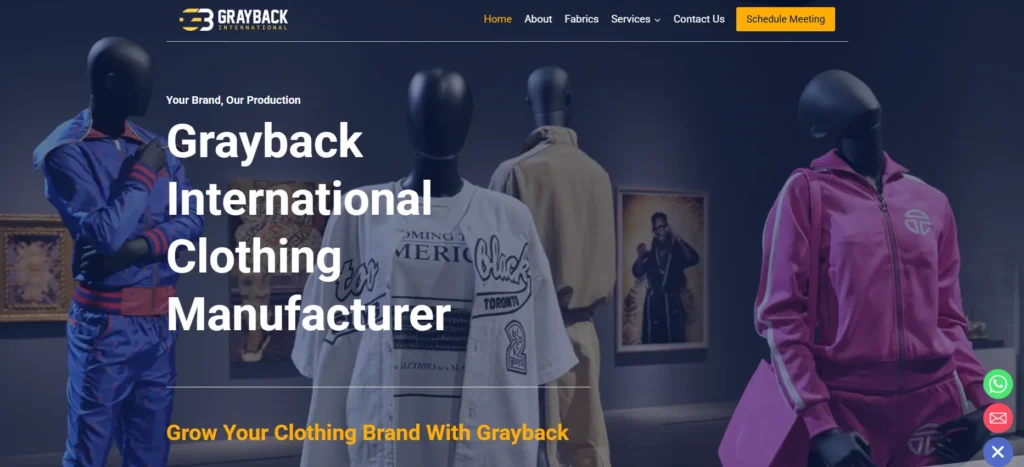
Grayback International is a custom clothing manufacturer that works with brands looking to develop customized apparel collections. The company offers custom denim-wear manufacturing, including denim jackets and jeans, with customization options for washes, fits, patterns, branding, labels, and packaging. As an experienced jackets manufacturer, it can support brands looking to develop customized denim products. Its website also highlights low-MOQ manufacturing for startups and growing clothing brands.
For entrepreneurs planning to Start a Denim Line, Grayback International can be considered for developing customized denim products according to a brand’s specifications. The company provides services covering pattern development, sampling, production, custom labels, tags, and packaging. Its broader manufacturing capabilities also include other apparel categories, making it useful for brands planning to expand their denim collection into complementary products. Brands can also work with the company as a hoodie manufacturer when expanding their product range beyond denim.
Brands can provide their preferred denim fabric, measurements, design references, branding requirements, and finishing details to begin the product-development process. The manufacturer states that it supports paid samples before bulk production, allowing brands to evaluate fit, fabric, quality, and craftsmanship before committing to larger quantities.
2. Baagh Enterprises
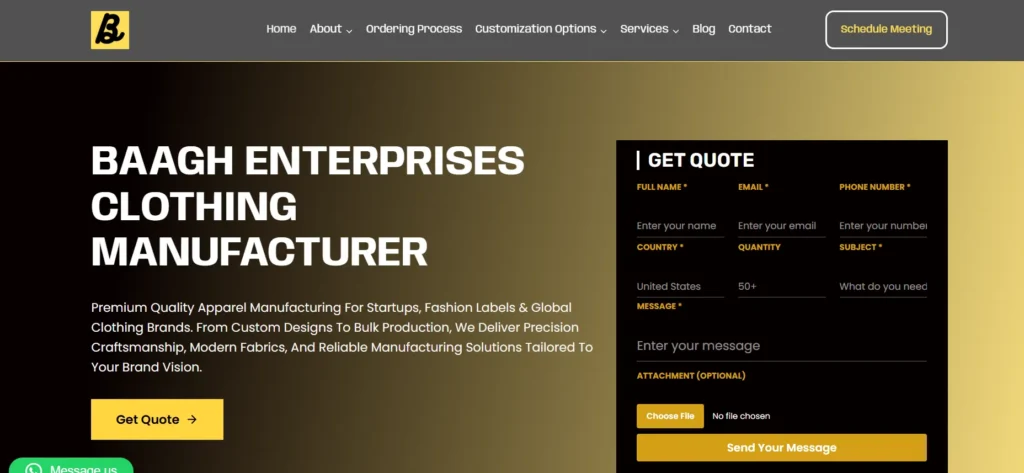
Baagh Enterprises is a custom clothing manufacturer offering jeans production alongside a wider range of apparel manufacturing services. Its jeans manufacturing service allows brands to develop jeans from scratch, including selecting denim quality, wash, fit, buttons, stitching, and other construction details.
For a new denim brand, Baagh Enterprises can handle different stages of product development, including fabric selection, pattern development, cutting, sewing, finishing, branding, labels, tags, and packaging. This full-package approach can be useful for entrepreneurs who want to develop a complete denim product rather than purchasing generic ready-made jeans.
3. Shockoe Atelier
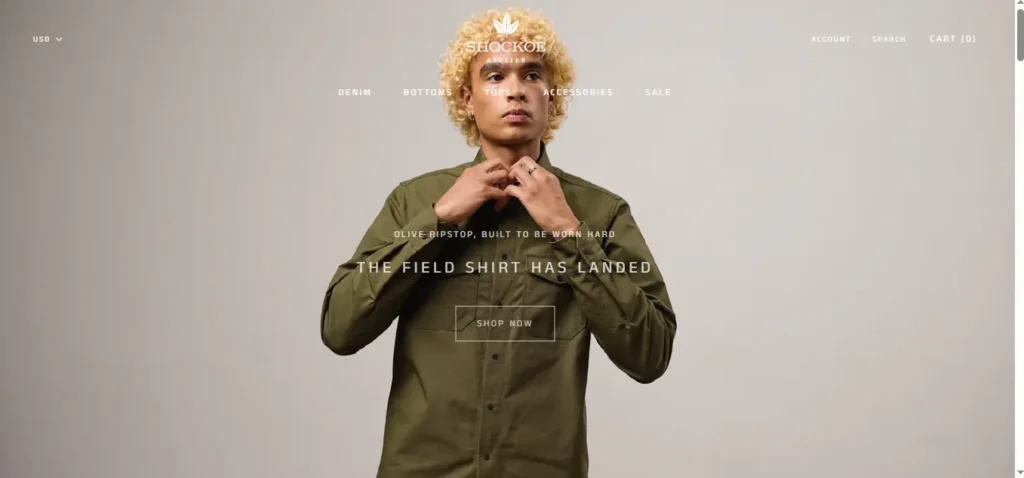
Shockoe Atelier operates from Richmond, Virginia, and specializes in American-made apparel with a strong emphasis on denim. The company says it was founded in 2012 and produces garments through its Richmond atelier.
Shockoe is particularly interesting for brands that value premium construction and traditional craftsmanship. Its lifetime repair program also demonstrates how repairability can become part of a denim brand’s customer experience.
4. Railcar Fine Goods
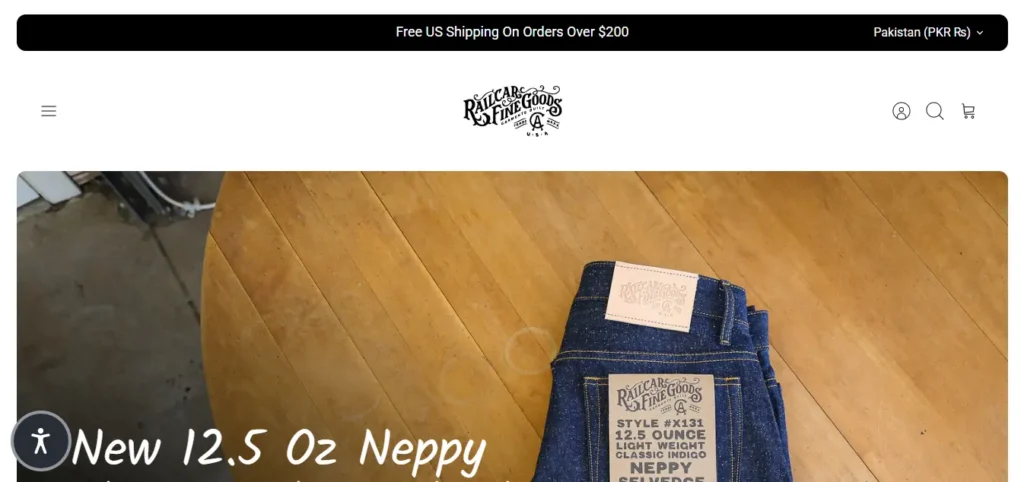
Railcar Fine Goods operates a workshop in El Monte, California. The company says its operation uses a small team and that manufacturing takes place in-house, from cutting and sewing through production.
This type of workshop model can be especially relevant when studying premium small-batch denim. Brands interested in workwear-inspired jeans can also use its construction approach as a reference when developing their own product specifications.
5. Left Field NYC
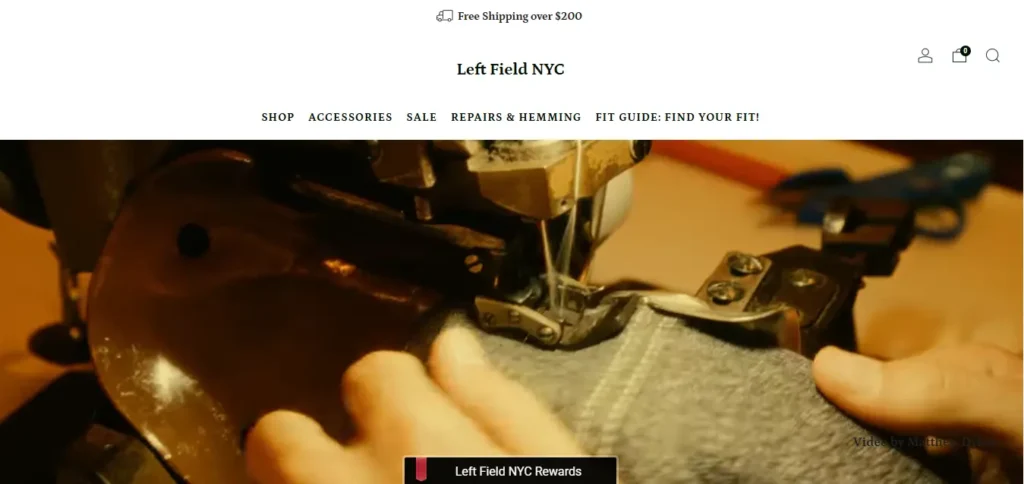
Left Field NYC is another American denim-focused company worth researching. Its website states that its products are cut and sewn in the USA and that it specializes in American and Japanese denim fabrics.
Left Field NYC demonstrates how a denim brand can combine different fabric sources with American garment construction. This can be useful for founders who want to create a premium denim identity without limiting themselves to a single fabric origin.
Understand MOQ Before Placing an Order
Minimum order quantity, or MOQ, can significantly affect the amount of money required to launch your collection.
Some manufacturers may require hundreds or thousands of units per style, while smaller production specialists may be more flexible. For example, DesignTo Clothing currently advertises custom denim production starting at 30 units per style and color, showing that low-MOQ options do exist in the U.S. market.
Calculate Your Denim Line Costs
Before placing your first bulk order, calculate the complete landed cost of every product.
Your calculation should include:
- Fabric
- Cutting
- Sewing
- Washing
- Hardware
- Labels
- Packaging
- Sampling
- Quality control
- Freight
- Duties and taxes
- Warehousing
- Marketing
- Payment-processing costs
Then establish a retail price that gives your brand enough margin to operate and grow.
Do not calculate profitability using the factory’s unit price alone. The actual cost of getting a finished pair of jeans into your customer’s hands can be considerably higher.