
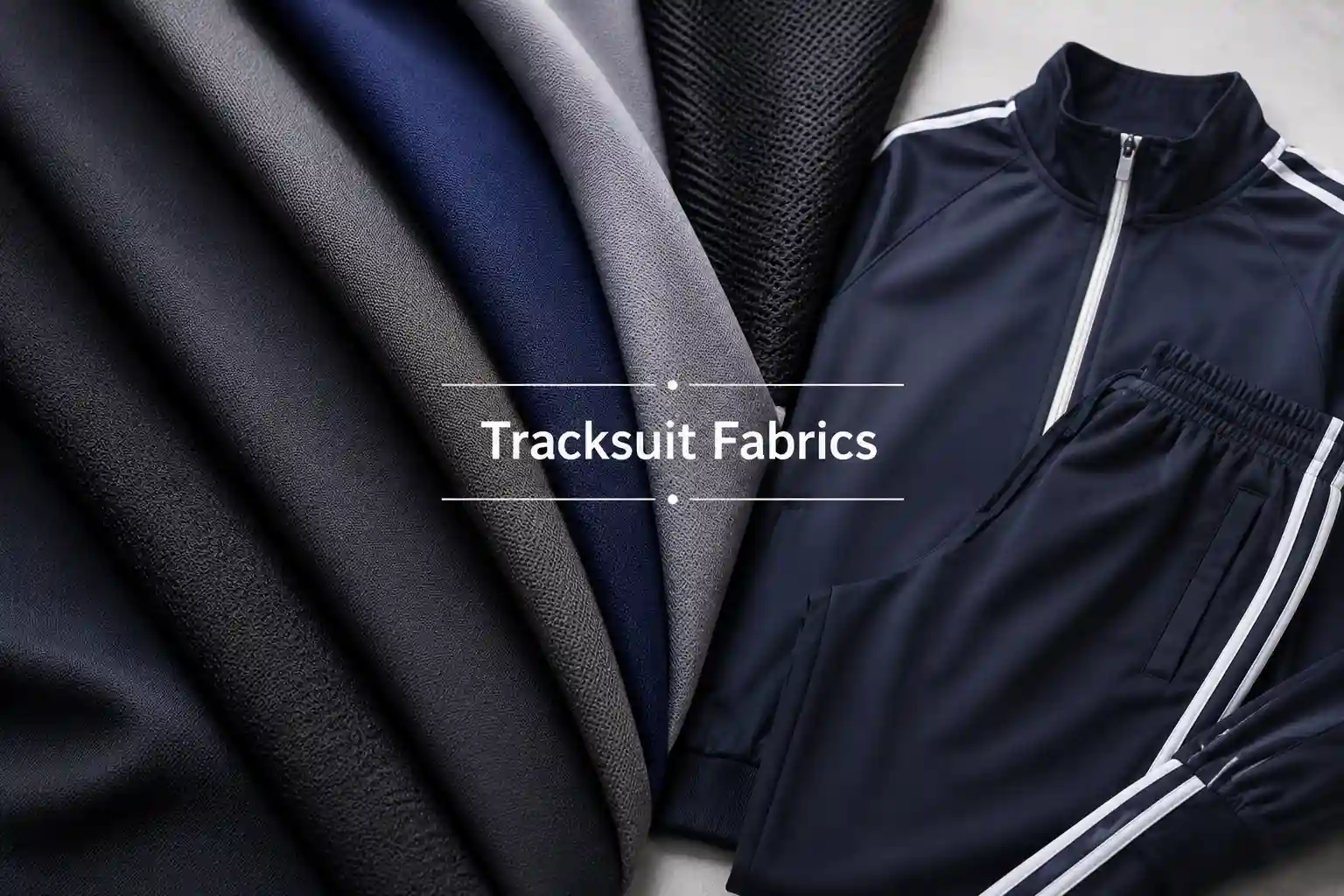
Tracksuit fabrics play a major role in determining the comfort, durability, appearance, and performance of a tracksuit. Whether you are creating sportswear, casual clothing, team uniforms, or fashion-focused tracksuits, selecting the right material is essential. Tracksuit Fabrics come in many different types, including polyester, cotton, fleece, nylon, spandex blends, and technical performance fabrics. Each material offers different benefits depending on the intended use, climate, design, and price point. Understanding these fabrics helps brands, retailers, and clothing manufacturers make better decisions when developing high quality tracksuits.
Table of Contents
Why Is Fabric Important for Tracksuits?
The fabric used in a tracksuit affects almost every aspect of the finished garment. A good fabric can make a tracksuit comfortable, breathable, flexible, and long-lasting, while an unsuitable material can cause overheating, discomfort, shrinking, or premature wear.
Tracksuits are commonly worn for exercise, warm-ups, outdoor activities, travel, casual wear, and everyday fashion. Because of these different applications, manufacturers need to consider factors such as moisture management, stretch, weight, softness, durability, and temperature control.
For sportswear, lightweight and breathable fabrics are generally preferred. For winter tracksuits, thicker materials such as fleece provide additional warmth. Fashion tracksuits may focus more on texture, appearance, and drape.
Polyester Tracksuit Fabric


Polyester is one of the most commonly used materials for tracksuits. It is a synthetic fiber known for its durability, lightweight construction, and resistance to wrinkles.
One of the biggest advantages of polyester is its ability to maintain its shape after repeated use and washing. It also dries relatively quickly, making it suitable for sportswear and active lifestyles.
Polyester can be manufactured in different weights and finishes. Smooth polyester fabrics can create a sleek athletic appearance, while brushed polyester can provide a softer feel. Manufacturers can also combine polyester with other fibers to improve stretch, comfort, or moisture management.
Polyester is particularly suitable for tracksuits designed for running, training, team sports, and outdoor activities.
Cotton Tracksuit Fabric


Cotton is valued for its natural softness and comfortable feel against the skin. Cotton tracksuits are especially popular in casualwear and lifestyle fashion.
Unlike many synthetic fabrics, cotton provides a soft and breathable sensation that works well for everyday use. However, traditional cotton can absorb moisture and may take longer to dry than polyester.
Cotton tracksuits are often designed for relaxed wear, travel, lounging, and casual streetwear. Manufacturers may blend cotton with polyester to create a material that combines softness with improved durability and drying performance.
Cotton-polyester blends are therefore a popular option for brands that want both comfort and practicality.
Fleece Tracksuit Fabric


Fleece is an excellent choice for cold-weather tracksuits. It is usually made from synthetic fibers such as polyester and features a brushed surface that traps air and provides warmth.
Fleece tracksuits are comfortable, soft, and suitable for winter training, outdoor activities, casual clothing, and travel. The thickness of fleece can vary significantly, allowing manufacturers to create lightweight or heavily insulated garments.
Another advantage of fleece is its soft interior. Many tracksuits feature fleece on the inside while maintaining a smoother exterior for a more polished appearance.
However, fleece may not be the best choice for intense workouts in warm conditions because its insulating properties can lead to overheating.
Nylon Tracksuit Fabric


Nylon is another synthetic material used in tracksuits, particularly when durability and lightweight performance are important.
Nylon fabrics are known for their strength and resistance to abrasion. They can also provide a smooth and slightly glossy appearance that works well for retro-inspired or technical tracksuit designs.
Many nylon tracksuits are designed as lightweight outer layers. They can provide protection from light wind and are useful for outdoor training and casual activities.
Nylon may also be blended with elastane or other fibers to improve flexibility and comfort.
Spandex and Stretch Blends


Spandex, also known as elastane, is valued for its exceptional stretch and recovery. It is usually blended with other materials rather than used alone.
A polyester-spandex tracksuit, for example, can provide the durability and quick-drying properties of polyester while adding flexibility through spandex.
Stretch fabrics are especially useful for athletic tracksuits because they allow the wearer to move comfortably during running, stretching, training, and other physical activities.
Even a small percentage of elastane can significantly improve mobility. The ideal blend depends on the intended purpose of the tracksuit and the desired level of stretch.
French Terry Tracksuit Fabric
French terry is a versatile knitted fabric that is commonly associated with casual and athleisure clothing. It typically has a smooth outer surface and small loops on the inside.
Compared with heavy fleece, French terry is generally lighter and less insulating. This makes it suitable for transitional weather, indoor activities, casualwear, and lightweight tracksuits.
French terry can be made from cotton, polyester, or blends. Cotton-rich versions provide a soft and comfortable feel, while synthetic blends can improve durability and moisture management.
For fashion brands producing premium casual tracksuits, French terry can offer a balance between comfort and contemporary style.
Technical Performance Fabrics
Modern tracksuits increasingly use technical fabrics designed specifically for athletic performance. These materials may include moisture-wicking polyester, mesh panels, stretch constructions, and engineered knits.
Moisture-wicking fabrics help move sweat away from the skin, allowing it to evaporate more quickly. This can improve comfort during workouts and sports activities.
Some technical fabrics are also designed to provide UV protection, wind resistance, quick drying, or enhanced breathability. The right performance fabric depends on the sport, climate, and intended level of physical activity.
Brands developing performance tracksuits should pay close attention to fabric specifications rather than choosing materials based only on appearance.
How to Choose the Right Tracksuit Fabric
Choosing the right fabric begins with understanding how and where the tracksuit will be used.
For gym and training apparel, lightweight polyester or polyester-spandex blends are practical choices. For winter tracksuits, fleece or heavier knitted fabrics can provide additional warmth.
For everyday fashion, cotton, cotton-polyester blends, French terry, and premium fleece can offer excellent comfort and visual appeal.
Climate is another important consideration. Lightweight breathable fabrics are better suited to warm environments, while insulated fabrics are more appropriate for cold weather.
Brands should also consider washing requirements, colorfastness, pilling resistance, shrinkage, fabric weight, and overall durability before selecting a material.
Sustainable Tracksuit Fabrics
Sustainability has become increasingly important in the apparel industry. Brands are exploring recycled polyester, organic cotton, recycled nylon, and other lower-impact materials.
Recycled polyester can be produced from post-consumer plastic materials, while organic cotton is grown according to organic agricultural standards.
However, sustainability involves more than simply choosing a particular fiber. Brands should also consider product lifespan, manufacturing processes, dyeing, packaging, transportation, and end-of-life disposal.
Durable tracksuits that remain usable for a long time can also help reduce unnecessary clothing consumption.
Tracksuit Fabrics for Clothing Brands
Clothing brands should consider their target market before selecting tracksuit materials. A premium athleisure brand may prioritize softness, fabric weight, and luxurious finishing, while a performance sportswear brand may prioritize moisture management, stretch, and breathability.
Working with an experienced tshirt manufacturer can also help brands understand fabric options when developing coordinated apparel collections.
Brands producing complete sportswear collections may also work with a specialized hoodie manufacturer to maintain consistency across different garments and fabric ranges.
Fabric Finishing for Tracksuit Fabrics
Fabric finishing can change the feel, appearance, and performance of a tracksuit material. Common finishing techniques can improve softness, water resistance, surface appearance, or durability.
Brushing can create a soft and warm surface, while specialized treatments can improve moisture management or water resistance.
Some fabrics are also treated to reduce pilling or improve color retention. These finishing processes can add value to the final product, especially for premium apparel collections.
Common Uses of Tracksuit Fabrics
Different tracksuit fabrics are suited to different applications. Polyester and technical blends are widely used for sports training and teamwear. Fleece is popular for winter clothing, while cotton and French terry are common in casual and streetwear collections.
Nylon can be useful for lightweight outer layers, while stretch blends are suitable for active designs requiring greater freedom of movement.
Understanding these differences allows brands to create tracksuits that perform well for their specific audience.
How to Care for Tracksuit Fabrics
Proper care can significantly extend the lifespan of a tracksuit. Washing instructions vary according to fabric composition, so users should always follow the garment’s care label.
Synthetic performance fabrics generally benefit from moderate washing temperatures and should not be exposed unnecessarily to excessive heat. Cotton-based garments may require additional attention because of their potential to shrink.
Avoiding overly harsh detergents and high-temperature drying can help preserve fabric quality, color, elasticity, and surface appearance.